Bouldering for beginners: the complete starter guide
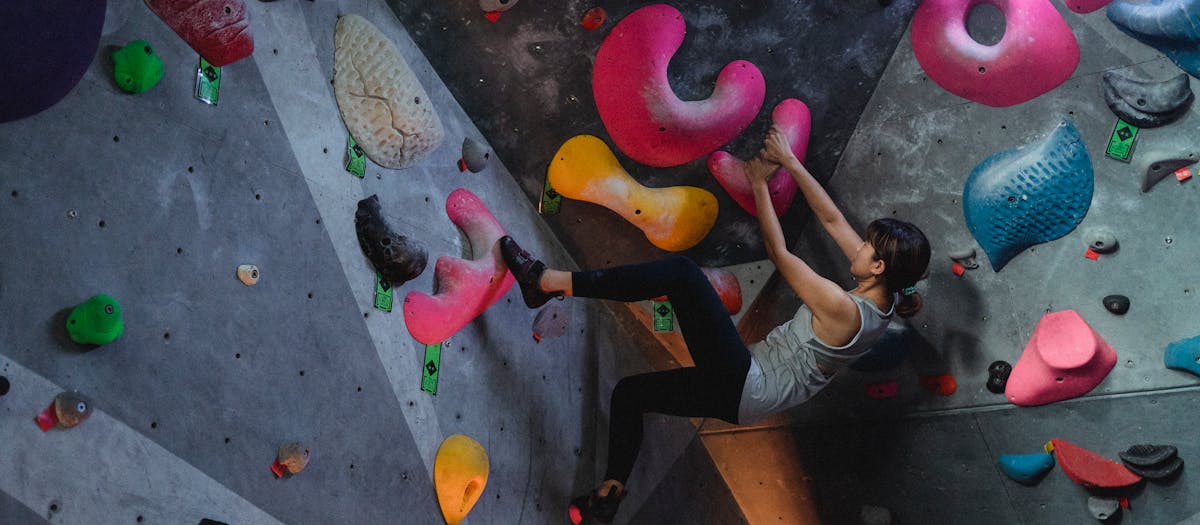
Bouldering is the simplest way into climbing. No rope, no harness, no partner to belay you — just shoes, chalk, and short problems you can try over and over. A problem is a single climbing sequence, usually no higher than about 15 feet, and the moves that solve it are called the beta. That low barrier is exactly why bouldering has become the front door to the sport for most new climbers.
This guide walks every beginner decision in the order it actually matters: where to climb first, the kit worth buying, when a crash pad makes sense, the home-wall question, and how to train without hurting your fingers. By the end you will know what to buy, in what order, and what you can safely skip for now.
One promise up front. There is no grade-flexing here and nothing gets called easy — every problem is hard for someone, and the V-scale (more on that below) is a rough guide, not a scoreboard. If you are already climbing and you came for a specific guide, jump to the silo that applies from the cards throughout this page. If you are at the planning stage, read top to bottom.
Gym or home: where to start
Start at a climbing gym. It is the cheapest, safest and fastest way to learn, and almost every long-term climber began there. A gym gives you four things a garage cannot on day one: thick fitted floor padding so a fall is genuinely cushioned, a wide spread of problems set at different difficulties, regular resetting so the climbing stays fresh, and other climbers to watch and learn from. You also avoid any upfront build cost — a day pass is the whole commitment.
A home wall is a real option, just a later one. It makes sense once you know you are in the sport for the long run, you want to train on your own schedule, and you have the space and budget to build it well. Most beginners climb at a gym for a year or more before building anything, and that order is the right one — you learn what kind of climbing you like before you spend on a wall shaped around it. When you do get there, the home-wall hub walks the components, the holds, and what each budget tier buys.
Understanding V-grades
The V-scale measures how hard a boulder problem is. It starts at V0, the most approachable grade, and climbs with no fixed ceiling — V1, V2, V3, and upward. Grades are set by the humans who design the problems, so they vary between gyms and between indoor and outdoor climbing. Treat a grade as a rough guide to effort, not a personal score. Most new climbers spend their first months somewhere around V0 to V2, and that is exactly where you should be.
Your first kit
The good news about bouldering gear: there is very little of it, and you do not need most of it on day one. Here is the order that matters, from must-have to nice-to-have.
Climbing shoes — buy these first
Shoes are the one piece of gear that changes how you climb. A good beginner shoe has a relatively flat shape (a neutral last, in shoe terms), a closure you can get on and off easily, and softer rubber that helps you feel the wall. What you do not want as a first pair is an aggressive, downturned shoe — the kind shaped like a curled claw for steep, hard climbing. Those punish beginner feet and teach poor habits. Fit should be snug but not painful; a shoe so tight you dread putting it on is a shoe you will not wear. The gear silo breaks all of this down by fit, last shape and closure.
Chalk and a chalk bag
Chalk dries the sweat off your hands so you can hold the wall. Most gyms allow loose chalk or a chalk ball (a refillable mesh sack that dispenses chalk with less mess); a few require chalk balls only, so check before you buy. A chalk bag clips behind you or sits on the floor and holds your chalk between climbs. Any beginner-friendly chalk works to start — this is not a place to overthink.
A brush
Holds get coated in chalk and skin oil, which makes them slick. A small brush — boar's hair or a soft synthetic — clears that buildup so a hold grips again. It is cheap, it is good etiquette, and brushing a hold before a hard attempt is one of the first habits worth building.
What can wait
Almost everything else. You do not need a crash pad until you climb outdoors. You do not need a hangboard, a gripper, or any finger trainer in your first six months — more on why below. You do not need climbing-specific clothing; comfortable, stretchy clothes you can move in are fine. Resist the urge to buy the full kit before your third session.
Crash pads: when you actually need one
A crash pad is a portable folding foam mat. You carry it to an outdoor boulder, lay it under the problem, and it cushions your landing when you fall or jump off. It is the single most important safety item for outdoor bouldering — and completely unnecessary indoors, where the gym floor is already a thick, fitted pad.
So the rule is simple: buy a crash pad when, and only when, you start climbing outside. There is no reason to own one for gym sessions. When that day comes, the specs that matter are coverage area (how much ground the open pad protects), foam type (how the layers absorb a fall), fold style (which decides how it carries and where the gaps land), and weight (because you have to hike it in). The crash-pads silo compares pads on exactly those four dimensions rather than ranking them by brand.
The home-wall question
At some point most committed climbers wonder about building a wall at home. It is a genuinely good way to train when you cannot get to a gym, and a small wall in a garage or spare room can change how often you climb. But it is a project, not a purchase, so it is worth understanding what goes into one before you commit.
A home bouldering wall is a few core parts: a sturdy timber frame, plywood panels drilled with a grid of holes (fitted with t-nuts, the threaded inserts that let you bolt holds anywhere), climbing holds, the bolts that fix them, and a crash pad or mats underneath. The angle of the wall matters more than its size — a steeper overhang trains pulling strength, a gentler angle suits beginners and footwork. Budget tiers run from a few hundred dollars for a small, simple wall up to well over a thousand for a larger build with a training board.
Holds are where a lot of beginners overspend or underbuy, so they get their own guide. The things to compare are set size (how many holds you get), shape variety, texture, and the mounting hardware. A quick vocabulary note, since hold shapes have names: a jug is a big, easy-to-grip hold; a crimp is a small edge you grip with fingertips; a sloper is a rounded hold with no positive edge; a pinch is gripped between thumb and fingers. A good starter set mixes plenty of jugs with a few of the rest.
How to train without hurting your fingers
Here is the most important paragraph on this page. In your first 6 to 12 months of climbing, do not hangboard and do not train your fingers on small holds. A hangboard is a wall-mounted training tool covered in edges and pockets that you hang from to build finger strength. It works — but it loads the finger tendons and pulleys (the small bands that hold your tendons against the bone) far harder than gentle climbing does, and those structures strengthen much more slowly than your muscles. Early finger training is the most common way beginners get hurt, and pulley injuries can sideline you for months.
So what should a beginner do instead? Climb. Climbing itself is the training. Two to three sessions a week, with rest days between, builds finger and forearm strength at the safe pace your tendons can keep up with. Warm up before you pull hard. Stop when your fingers ache rather than pushing through it. Manage your skin — splits and flappers are a sign you are climbing too much, too soon. That is the entire beginner training plan, and it is enough to improve steadily for a long time.
The training silo covers the gear you will eventually grow into — hangboards, grippers and finger trainers — but it leads every guide with the same timeline so nobody starts too early. And to be clear about scope: this site is not medical advice. Any finger pain that lingers past a session or two, any sharp pop or pain at the base of a finger, or any elbow or tendon trouble is a question for a physiotherapist or hand specialist, not a buyer guide.
The beginner mistakes worth skipping
None of these are hard to avoid once you know them. They are simply the patterns that show up again and again with newer climbers.
- Buying aggressive shoes too soon. A downturned, high-performance shoe in your first months teaches poor footwork and hurts. Start neutral.
- Sizing shoes painfully tight. Snug is good; agony is not. A shoe you avoid wearing helps no one.
- Hangboarding early. The big one. Your fingers are not ready in the first 6 to 12 months. Just climb.
- Pulling with your arms. Bouldering is a leg sport. Push with your feet and keep your arms straighter than feels natural — you will last far longer on the wall.
- Climbing too often. Two to three sessions a week with rest beats five in a row. Tendons and skin need recovery time.
- Skipping the warm-up. A few gentle problems before you try anything hard protects your fingers and your shoulders.
- Buying a crash pad for the gym. You do not need one indoors. Save it for outdoor climbing.
Frequently asked questions
What is bouldering, exactly?
Bouldering is climbing short, hard sequences without a rope. You climb a few moves up — usually no higher than about 15 feet — then jump or climb back down. Indoors you land on padded floors; outdoors you land on a portable crash pad. A single sequence is called a problem, and the moves to solve it are the beta.
What gear do I actually need to start bouldering?
For the gym, almost nothing: climbing shoes and chalk, and many gyms rent shoes for your first few visits. A chalk bag and a brush come next. You do not need a crash pad until you climb outdoors, and you do not need any training gear, like a hangboard, in your first six months. Shoes first, everything else later.
Should I climb at a gym or build a home wall first?
Start at a gym. You get padded floors, a wide range of problems, and other climbers to learn from, with no upfront build cost. A home wall makes sense later, once you know you are in it for the long run and want convenient training. Most beginners climb at a gym for a year or more before building anything.
What does V0, V1, V2 mean in bouldering?
The V-scale grades how hard a boulder problem is. It starts at V0 (the most approachable) and rises with no upper limit — V1, V2, and so on. Grades are set by humans and vary between gyms, so treat them as a rough guide, not a score. Most new climbers spend their first months around V0 to V2, which is completely normal.
Do I need a crash pad for indoor bouldering?
No. Indoor gyms have thick, fitted floor padding, so you climb without your own pad. A crash pad — a portable folding foam mat — is for outdoor bouldering, where you carry it to the rock and lay it under the problem to cushion your fall. Buy a pad only once you plan to climb outside.
How do I avoid finger injuries as a beginner?
The single biggest rule: do not hangboard or train fingers on small holds in your first 6 to 12 months. Your tendons and pulleys strengthen far more slowly than your muscles, so early finger training is how beginners get hurt. Just climb, rest when fingers ache, and warm up. Any finger pain that lingers warrants a physio or hand specialist.
How often should a beginner go bouldering?
Two to three sessions a week, with rest days between, suits most beginners. Climbing loads tendons and skin that need time to recover, and more is not better early on. Skin splits and tweaky fingers are usually signs of climbing too often, too soon. Consistency over months beats cramming sessions into one week.
How much does it cost to start bouldering?
A gym day pass runs roughly $15 to $25, and a first pair of beginner climbing shoes plus chalk runs about $80 to $130. That is enough to climb regularly. A crash pad for outdoor climbing adds $200 to $350, and a home wall is a separate project that can range from a few hundred dollars to well over a thousand.
What are the most common beginner mistakes?
Buying aggressive, downturned shoes too soon; sizing shoes painfully tight; hangboarding in the first months; pulling with arms instead of pushing with legs; and climbing too often without rest. None are hard to avoid once you know them. The starter guide above covers each, and the gear and training silos go deeper.
Where to go next
The four silos, each starting from a beginner-first hub.